A Stagnant Liability... No More
Turning neglected runoff into a safe, recurring utility asset.
CASE STUDY: PLANT IN EAST GEORGIA (WATER RECLAMATION)
For many municipalities, stagnant retention ponds are a constant headache—breeding grounds for algae, bacteria, and turbidity that drain maintenance budgets without providing value. The Status Quo is to treat these as "waste" sites that require expensive chemical intervention and oversight.
We partnered with a facility in East Georgia to prove that you can take "biological soup" and transform it into a high-quality resource for irrigation and city use. By moving away from fragmented treatment skids and utilizing the Ginseng, we've unlocked a hidden water supply sitting right in their backyard.
The Challenge: Processing raw pond water loaded with Fecal Coliforms (bird/wildlife waste) and high turbidity that made the water completely unusable for facility or municipal support.
The Fix: A Ginseng unit utilizing a ruggedized ceramic physical barrier that strips out the biology and particulates without the energy tax or complexity of legacy systems.
We partnered with a facility in East Georgia to prove that you can take "biological soup" and transform it into a high-quality resource for irrigation and city use. By moving away from fragmented treatment skids and utilizing the Ginseng, we've unlocked a hidden water supply sitting right in their backyard.
The Challenge: Processing raw pond water loaded with Fecal Coliforms (bird/wildlife waste) and high turbidity that made the water completely unusable for facility or municipal support.
The Fix: A Ginseng unit utilizing a ruggedized ceramic physical barrier that strips out the biology and particulates without the energy tax or complexity of legacy systems.
Before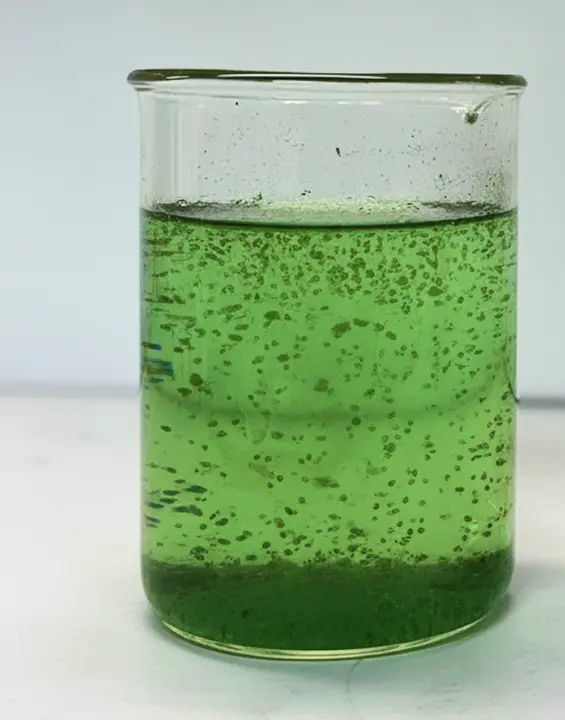
75.0 MPN Pathogens
(Biological Soup)
After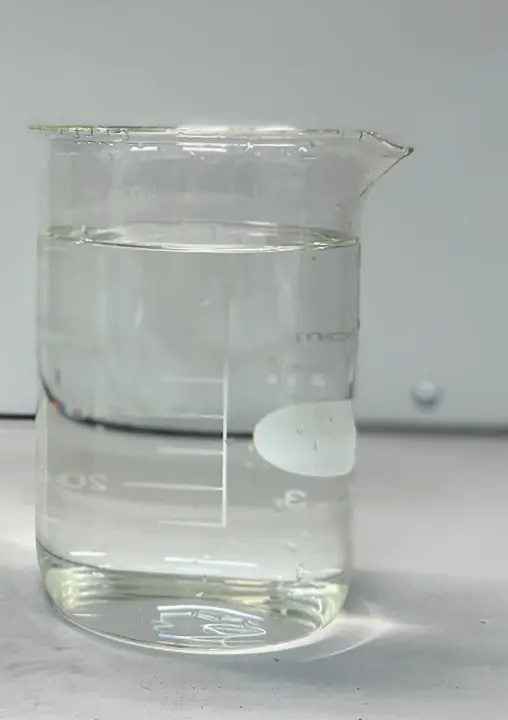
Non-Detect
(Safe for Reuse)
| Before | After | |
|---|---|---|
| Fecal Coliforms | 75.0 MPN | Non-Detect |
| Turbidity | 48.7 NTU | Non-Detect |
| BOD | 22.9 mg/L | 2.0 mg/L |